
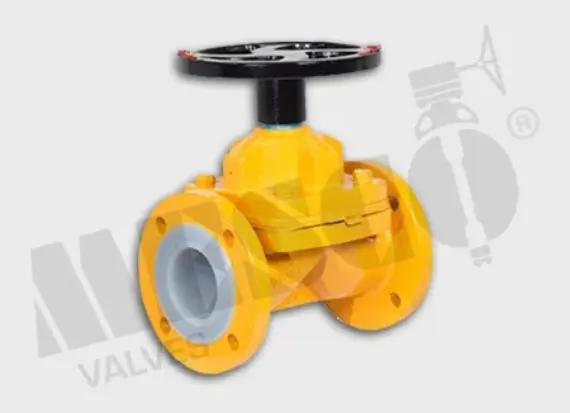
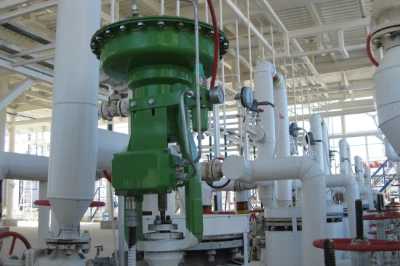
Lined Valve
A Lined Valve is used to regulate or stop fluid flow in systems where the process medium may affect an unlined valve body. The internal lining acts as a protective barrier between the fluid and the valve body. The lining material must be compatible with the process medium and the operating conditions.
MESCO, the brand of Shree Ganesh Engineering Works, offers valve products for industrial requirements. Depending on the valve design and lining material, lined valves may be suitable for handling certain acids, chemicals, and other process fluids. Before selecting a valve, consider the fluid composition, pressure, temperature, lining material, and required flow-control function.
Key Features of Lined Valves
Corrosion Resistance
The lining provides corrosion resistance for the valve body against corrosive materials that are compatible with the lining.
Chemical Compatibility
The material for the lining can be chosen based on the characteristics of the fluid that will be processed
Fluid Flow Control
Depending on the valve design, the lined valve can control and restrict the fluid flow.
Lower Contact Rate
The lining serves as a medium between the process fluid and the valve body.
Industrial Usage
Properly designed lined valves can be applied in certain processes for chemical processing and fluid handling.
Based on Application
The type of valve and lining material have to be consistent with the fluid composition and process conditions
The main features of the lined valve that need to be considered while selecting one are the chemical compatibility of the lining and pressure/temperature resistance of the valve.
Applications of Lined Valves
Lined Valves are employed in various industrial settings, especially when there are requirements for protection against corrosion and materials compatibility. Typical applications are:

Chemical Processing Plants
To control the flow of compatible acids, chemicals, and other process fluids.

Pharmaceutical Industry
To handle the fluid flow processes which need compatible materials for valves.
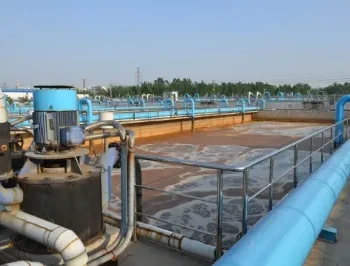
Water and Wastewater Treatment
For suitable treatment processes involving corrosive fluids.
Fertilizer Industry
To handle the chemical processing and handling processes.
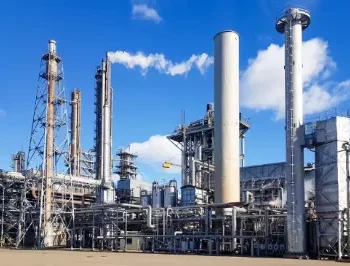
Petrochemical Facilities
For process pipelines having suitable lining for the fluid medium.
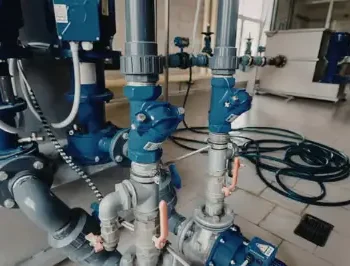
Industrial Manufacturing
To handle compatible fluids which would otherwise corrode the valve parts.
Find the Right Lined Valve for Your Application
Choosing the right Lined Valve is essential based on various factors. The lining should be compatible with the chemicals in the process, along with its pressure and temperature conditions.
Our company, Shree Ganesh Engineering Works, offers valves under the MESCO brand name for use in industries. We offer assistance regarding our valve offerings. You should know about the fluid composition, lining materials, valve type, pressure ratings, temperature ratings, pipe sizes, and connections before selecting.
Frequently Asked Questions
What is a lined valve used for?
Lined valves are used for regulation or shutting off the flow of compatible liquids, especially where anti-corrosion is needed.
Which materials are used to line valves?
PTFE and other appropriate polymers can be used depending on the liquid, pressure, temperature, and valve type.
What industries use lined valves?
Lined valves are used in appropriate processes in the following industries: chemical processing, water treatment, pharmaceuticals production, fertilizers production, petrochemical.
Can lined valves handle all types of chemicals?
No. The material of the lining should be compatible with a particular chemical and working pressure and temperature.
How do I choose the right lined valve?
You should take into consideration the composition of the liquid, pressure, temperature, need for regulation, lining material, valve type, pipeline diameter, and end connections.
