
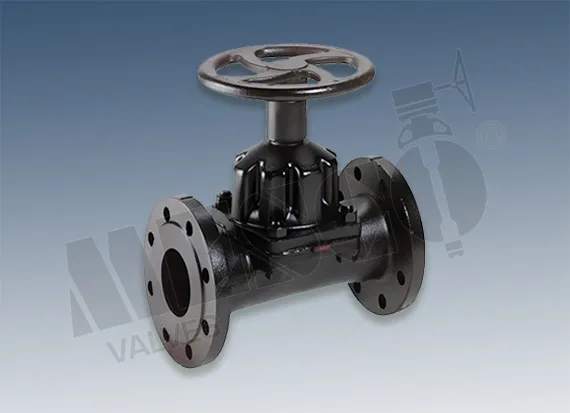
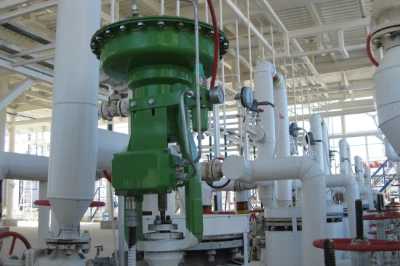
Diaphragm Valve
Diaphragm Valve is utilized to regulate, control or shut off the flow of liquid in an industrial pipe line system. Operates with the help of a movable flexible diaphragm either closer to or away from the valve seat. Based on the design and the materials used, this particular valve can be employed in specific corrosive, abrasive and viscous liquids.
Diaphragm valve solutions as per diverse industrial requirements are available from MESCO – Shree Ganesh Engineering Works. Correct valve should be selected on the basis of fluid properties, pressure and temperature, diaphragm material and pipe connections.
Key Features of Diaphragm Valves
Flow Control
Controls or stops compatible flow of fluids within pipelines.
Flexible Diaphragm
Uses a flexible diaphragm in controlling opening, closing, or restricting flow.
Fluid Isolation
Isolates the valve actuator from the process fluids thereby ensuring limited contact between the two.
Media Compatibility
The valve is able to handle some corrosive, abrasive, and viscous media through use of suitable body and diaphragm materials.
Maintenance Access
Depending on the valve design the diaphragm is accessible for inspection or replacement if need be.
Application-Based Selection
A Diaphragm Valve can be chosen according to body material, diaphragm material, valve size, pressure rating, and type of connections
Applications of Diaphragm Valves
For the purposes of flow control, shut-off and material compatibility in various industrial applications, these valves are used.

Chemical Processing
Where there is compatibility between the material of valve body and diaphragm and chemical composition and conditions of the pipeline, such valves can be used for controlling compatible chemicals in the pipeline
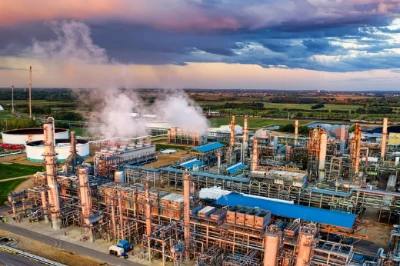
Oil and Gas Installations
Flow isolation for compatible pipeline and process systems
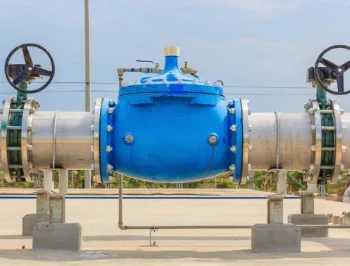
Water Treatment
Diaphragm valves may be used in suitable water treatment and distribution systems for controlling the flow of water and isolating the sections of the pipelines.

Pharmaceutical Manufacturing
Where there are special requirements of cleaning and material compatibility, these valves are used in some selected process lines.

Food and Beverage Processing
Where their material and construction are suited for hygienic and process requirements, diaphragm valves can be used for fluid handling applications.
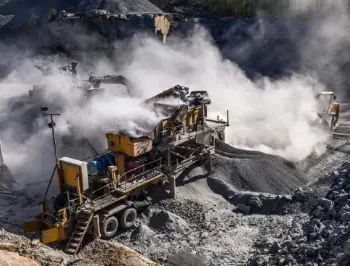
Mining and Mineral Processing
Where there is compatibility between the valve construction and diaphragm material with respect to the application, selected abrasive slurries can be handled with some selected types of diaphragm valves.
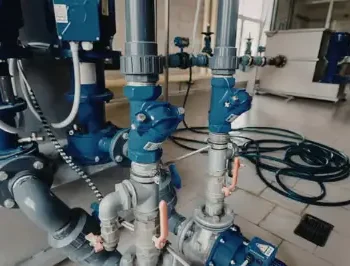
Industrial Manufacturing
These valves can be used in process lines for fluid flow control and shut-off applications in manufacturing plants.
Diaphragm Valve Solutions for Industrial Applications
The selection of proper Diaphragm Valve depends on the properties of the fluid, the pressure, temperature, flow rate, material of diaphragm and size of the pipeline. This is essential to ensure the suitability of the valve for the particular application.
MESCO valves provided by Shree Ganesh Engineering Works fulfill different pipe fittings needs in industries. Contact us to know about your application and find out which Diaphragm Valve suits you best.
Frequently Asked Questions
What is a diaphragm valve used for?
The industrial pipelines use the diaphragm valve to control, regulate or stop the fluid flow.
How does a diaphragm valve work?
Depending on how the flexible diaphragm is positioned, it can approach or move away from the valve seat. The position of the valve diaphragm is closed when the diaphragm touches the seat, blocking the flow path. If the diaphragm moves away from the seat, the flow path remains open and the liquid can flow through the valve.
Can diaphragm valves handle corrosive fluids?
If the material of the diaphragm and valve body is compatible with the fluid medium, the diaphragm valve can be used to control corrosive mediums.
Are diaphragm valves suitable for abrasive fluids?
There are diaphragm valves that can be used for certain abrasive fluids or slurries. It depends on the valve operation and properties of the liquid whether it matches the valve construction and its diaphragm type.
How do I choose the right diaphragm valve?
One must take into account several aspects before choosing a valve such as the fluid type, pressure and temperature of the operation, flow
