
Ball Valve
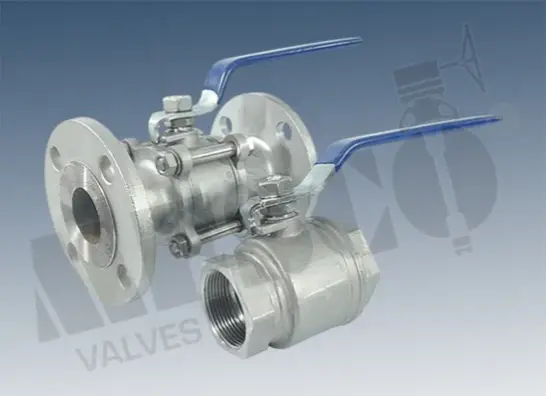
Shree Ganesh Valve is a Ball Valve manufacturer and supplier in India, offering solutions for industrial pipeline flow control. As a Ball Valve supplier in Ahmedabad and a Ball valve gear operated manufacturer, we provide different valve configurations based on pipeline size, fluid properties, pressure, and operating conditions. A ball valve uses a rotating spherical ball with a central bore to control fluid flow, opening or closing the passage with a 90-degree turn. Gear-operated models use a gearbox to make valve operation easier when greater operating force is required.
Key Features of Ball Valves
Quarter-Turn Operation
The simple quarter-turn mechanism allows the valve to open or close with a 90-degree rotation.
Reliable Shut-Off
Suitable ball valve designs provide effective sealing when the valve is closed, depending on the seat material and operating conditions.
Low Operating Effort
The valve can be operated manually or with an actuator, depending on its design and size
Multiple Design Options
Available configurations include two-piece, three-piece and three-way ball valves for different pipeline requirements
Material Choices
The valve body, ball and seats can be selected according to the fluid properties, operating pressure and temperature
Versatile Connections
Connection options vary by valve design and can be selected to match the piping system.
A Ball Valve should be selected according to the application rather than appearance alone. A Ball Valve Flanged Manufacturer can help identify suitable valve options based on construction, pressure rating, temperature limits, sealing materials, and connection type to meet the pipeline requirements.
Applications of Ball Valves

Water Treatment and Distribution
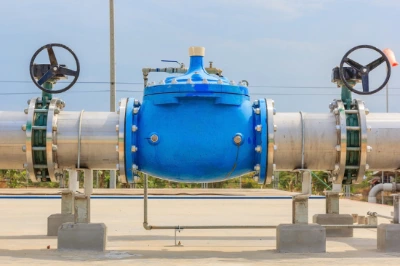
Ball valves are used in water supply lines, treatment plants and distribution systems to control flow and isolate pipeline sections when required.
Oil and Gas Industry
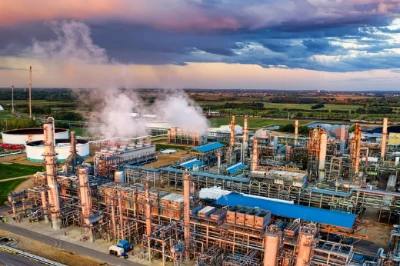
Ball valves may be used in oil and gas pipelines when their design, materials, pressure ratings and temperature limits meet the operating requirements.
Chemical Processing
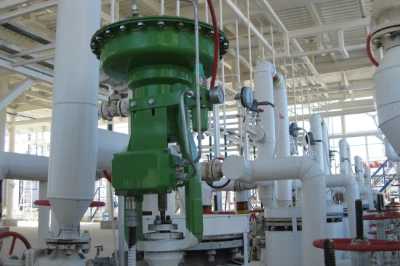
These valves can handle compatible process fluids in chemical plants. The valve body and seat materials must be suitable for the chemical composition and operating conditions

Pharmaceutical Industry
Ball valves may be installed in auxiliary piping networks and utility systems at power plants where the valve specifications match the application requirements
General Manufacturing
Manufacturing facilities use ball valves in water pipelines, compressed gas lines and other compatible process and utility systems.
Ball Valve Manufacturer and Supplier in Gujarat
When selecting a Ball Valve, consider the pipeline diameter, operating pressure, temperature, fluid type, connection requirements, and sealing performance. 3 way ball valve manufacturers in India offer valve configurations for applications that require flow to be directed between different pipeline paths. The operating method and valve material should match the system requirements to ensure suitable flow control.
At Shree Ganesh Valve, we provide industrial valve solutions for different pipeline applications. Contact our team to discuss your requirements and find a suitable Ball Valve for your industrial flow control system
Frequently Asked Questions
What is a ball valve used for?
A ball valve is mainly used to start or stop fluid flow through a pipeline. Certain designs can also support flow regulation when recommended for that purpose.
How does a ball valve work?
A ball valve contains a spherical ball with a hole through its centre. Rotating the ball by 90 degrees aligns or moves the opening away from the pipeline flow path.
What are the common types of ball valves?
Common types include two-piece, three-piece and three-way ball valves. Other variations may differ in connection type, materials and operating method.
Which fluids can a ball valve handle?
Depending on its design and materials, a ball valve can handle water, oil, gas and other compatible industrial fluids.
How do I choose the right ball valve?
Consider the fluid type, pipeline diameter, operating pressure and temperature, valve body and seat materials, connection type and required operating method before selecting a valve
