
2-Way and 3-Way Control Valves
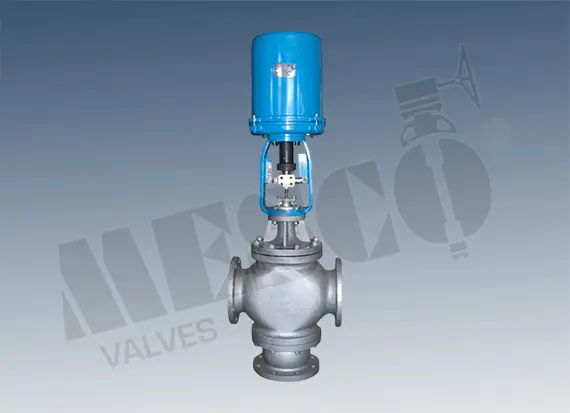
2-Way and 3-Way Control Valves are employed to control the flow of fluids in an industrial system. 2-Way control valves have two ports to control flow in one passage, whereas the 3-Way control valve has three ports to control the mixing of the fluid or directing flow in various passages.
Shree Ganesh Engineering Works is a brand by MESCO that manufactures valves for use in HVAC systems, circulation of water, process plants, and automation industries.
Key Features of 2-Way and 3-Way Control Valves
Flow Regulation
Controls flow of fluids in accordance with the needs of the system.
Different Port Arrangements
Two-port valves control the flow via two ports, while three-port valves have the ability to mix or divert via three ports
Process Control
Can be linked to the proper control systems to control fluid flow.
Temperature Management
Can assist in controlling the temperature in appropriate heating and cooling systems.
Application Flexibility
Appropriate valve types can be chosen for various industrial fluid handling applications.
Application-Based Selection
pressure rating, port connection, and actuation of the valve must suit the requirements of the system.
The design and operating conditions of the 2-Way and 3-Way Control Valves need to be taken into account before selecting a valve for an industrial process.
The correct configuration helps ensure that the valve performs its intended flow-control function.
Applications of 2-Way and 3-Way Control Valves
These valves are employed in applications where the fluid flow should be controlled, regulated, or diverted. Typical uses include:

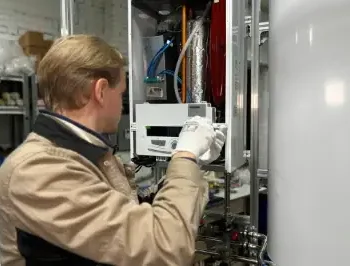
HVAC Systems
Controls the flow of water in appropriate heating and cooling loops.
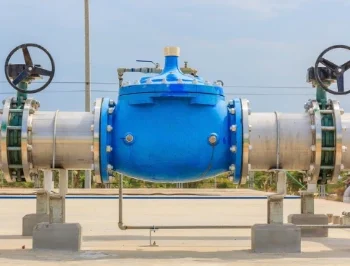
Water Treatment Plants
Controls the flow of fluid in appropriate treatment and distribution networks.
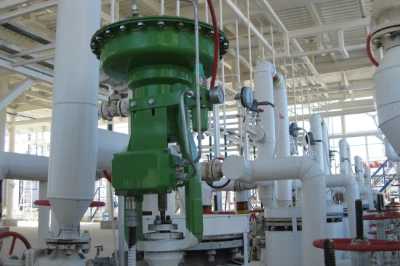
Chemical Processing
Controls appropriate process fluids based on application requirements.
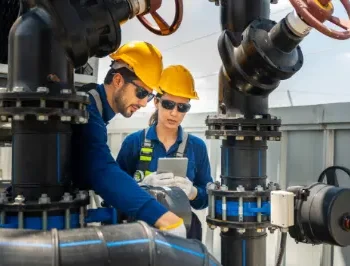
Power Generation
Applicable in appropriate utility and process control systems.
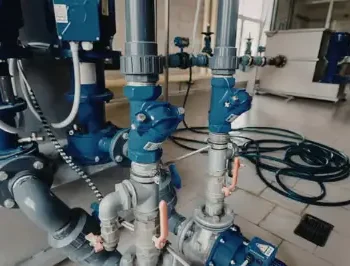
Industrial Manufacturing
Used in fluid circulation and appropriate process systems

Heating Systems
Helps to control the flow in appropriate heating systems.
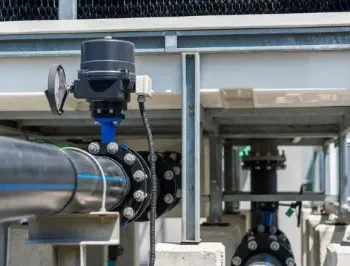
Cooling Systems
Controls or diverts the fluid flow through cooling loops based on the appropriate system.
Find the Right Control Valve for Your Process
Whether to use 2-Way or 3-Way Control Valves should be based on the manner in which the fluid should pass through the process. 2-Way Valve is usually the right choice when controlling the flow through one line is desired. On the other hand, 3-Way Valve would be used if the mixing or diverting of fluid flow is desired.
Valves that are produced by Shree Ganesh Engineering Works, under MESCO, can satisfy a variety of industrial needs for valve products. Reach out to us for more information. The following factors have to be considered when choosing a valve: type of fluid, flow rate, pressure, temperature, port arrangement, and desired control action.
Frequently Asked Questions
What are 2-way control valves used for?
A 2-way control valve controls fluid flow using inlet and outlet channels. This valve is usually applied when regulation of flow through one channel is required.
What is a 3-way control valve used for?
The 3-way control valve is used for mixing of two fluid streams or changing flow paths from one to another, depending on the particular design of the valve.
What is the main difference between 2-way and 3-way control valves?
In terms of the difference, one can say that the 2-way valve has two ports and controls fluid flow through one path while the 3-way valve has three ports and can either mix or divert fluid flow.
Where are these control valves commonly used?
These control valves are used in HVAC systems, water treatment plants, and chemical plants, manufacturing processes, heating and cooling circuits.
How do I choose between a 2-way and a 3-way control valve?
When flow through a single path should be regulated then choose a 2-way valve. When mixing of fluids or flow diversion is required, a 3-way valve may be considered.
